Τύποι diesel remap για εξοικονόμηση καυσίμου

JP Pepesco • 17 Ιουλίου 2026

Τύποι diesel remap για εξοικονόμηση καυσίμου


itg

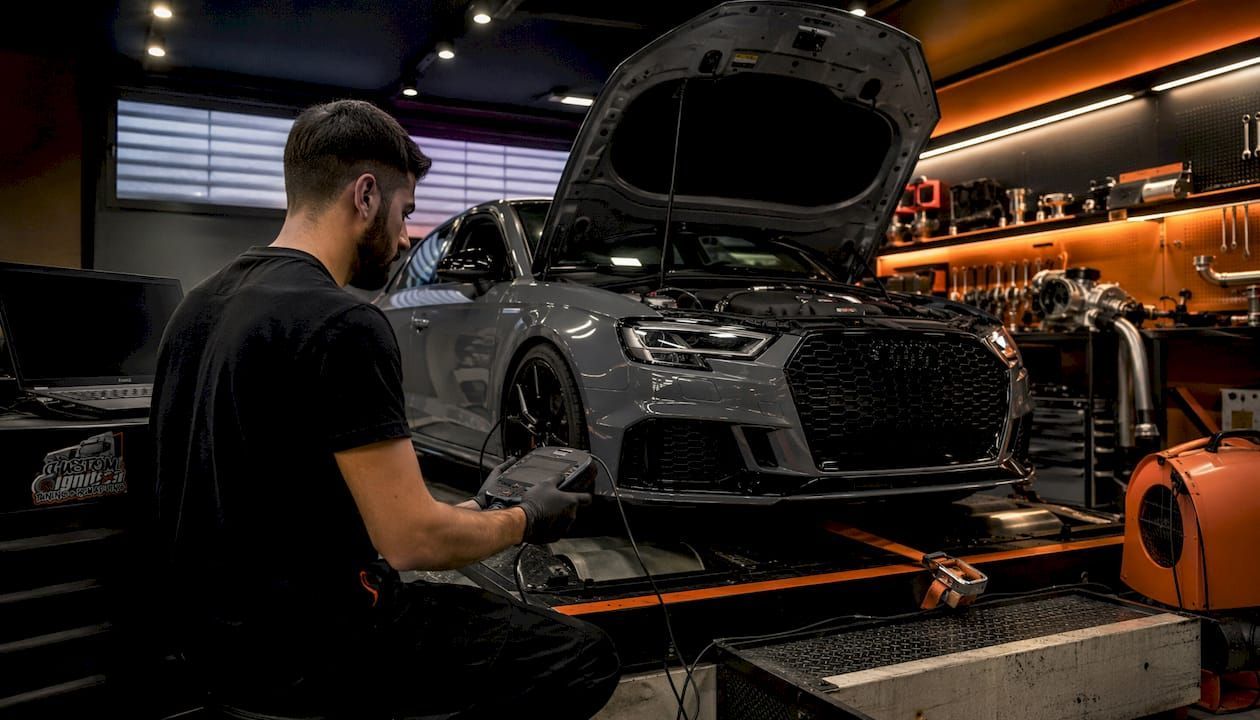
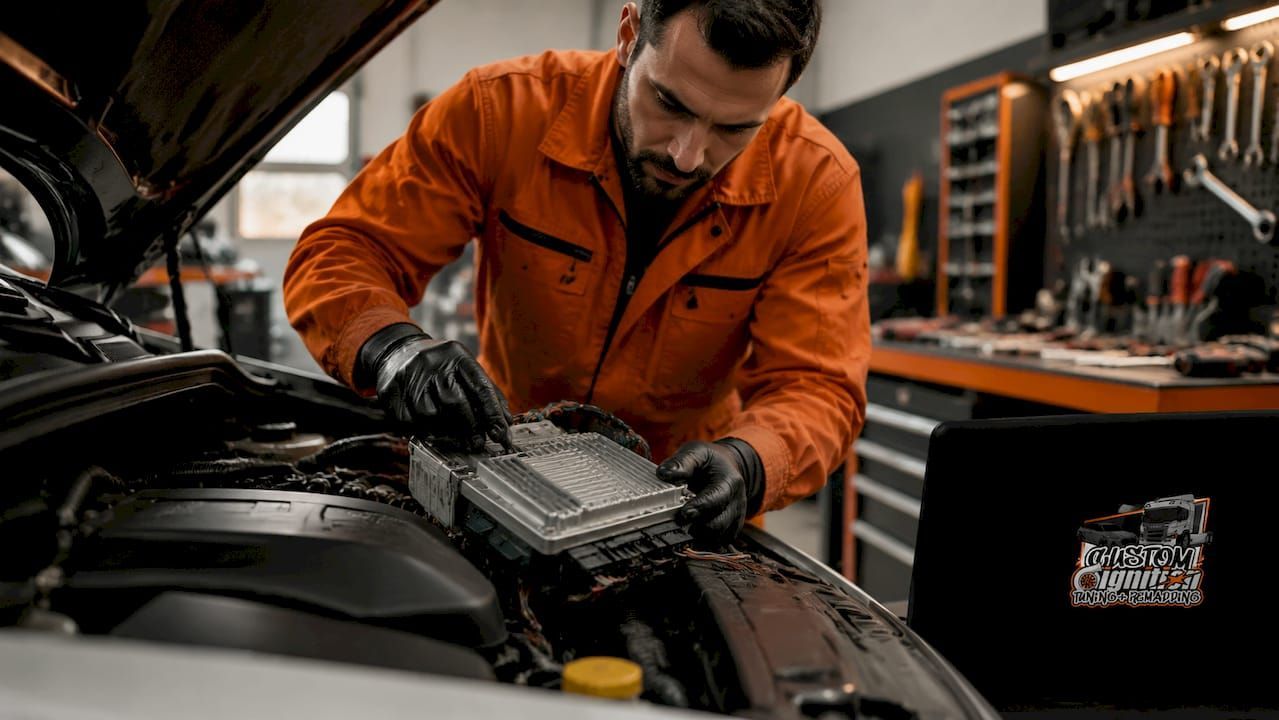
Το diesel remap, γνωστό στην αγορά και ως επαναχαρτογράφηση ECU, ορίζεται ως η τροποποίηση των παραμέτρων του ηλεκτρονικού εγκεφάλου του κινητήρα για βελτίωση της καύσης και μείωση της κατανάλωσης. Οι τύποι diesel remap για εξοικονόμηση καυσίμου δεν είναι όλοι ίδιοι: ο σωστός τύπος εξαρτάται από το όχημα, τη χρήση και τον στόχο του οδηγού. Ένα Stage 1 remap σε turbo diesel βελτιώνει την οικονομία καυσίμου κατά 5–15%, με τα υψηλότερα ποσοστά να εμφανίζονται σε βαριά φορτία και ρυμούλκηση. Η Ignitionremap-greece εφαρμόζει επαναχαρτογράφηση ECU βασισμένη σε δοκιμές κυλιόμενου δρόμου, διασφαλίζοντας ότι κάθε ρύθμιση παραμένει εντός ασφαλών ορίων.

1. Τι είναι το Stage 1 diesel remap και γιατί είναι η βασική επιλογή για εξοικονόμηση

Το Stage 1 remap είναι ο πιο διαδεδομένος τύπος diesel remap για εξοικονόμηση και η αφετηρία για κάθε ιδιοκτήτη diesel οχήματος. Τροποποιεί τις παραμέτρους της ECU χωρίς να απαιτεί αλλαγή υλικών εξαρτημάτων, κάτι που το κάνει οικονομικά προσιτό και άμεσα εφαρμόσιμο.

Τα τεχνικά στοιχεία που επηρεάζει είναι συγκεκριμένα. Το Stage 1 diesel remap πετυχαίνει αύξηση ροπής και ισχύος κατά 20–30%, με αύξηση πίεσης boost κατά 10–15% και πίεσης ράβδου καυσίμου κατά 5–8%. Αυτές οι αλλαγές επιτρέπουν στον κινητήρα να αποδίδει περισσότερο με λιγότερο καύσιμο ανά χιλιόμετρο.


Στην πράξη, ένα καλά ρυθμισμένο Stage 1 remap αυξάνει τη ροπή στην περιοχή 1.500–3.000 rpm, όπου κινείται η πλειονότητα των οδηγών στην καθημερινή χρήση. Αυτό σημαίνει ότι ο οδηγός αλλάζει ταχύτητα νωρίτερα, ο κινητήρας δουλεύει σε χαμηλότερες στροφές και η κατανάλωση μειώνεται πραγματικά.

Τα κύρια οφέλη ενός Stage 1 remap για καθημερινά diesel οχήματα:

  • Μεγαλύτερη ροπή στις χαμηλές στροφές, που μειώνει την ανάγκη για πολύ γκάζι
  • Καλύτερη απόκριση κινητήρα κατά την επιτάχυνση από χαμηλές ταχύτητες
  • Μειωμένη κατανάλωση σε εθνικές οδούς και αστική κυκλοφορία
  • Βελτιωμένη ισχύς χωρίς αλλαγή μηχανικών εξαρτημάτων

Ο κίνδυνος εμφανίζεται μόνο όταν η εφαρμογή γίνεται λανθασμένα. Αύξηση καυσίμου χωρίς αντίστοιχη αύξηση αέρα οδηγεί σε κακή καύση, μαύρο καπνό και υψηλές θερμοκρασίες εξαγωγών.

Επαγγελματική συμβουλή: Πριν κάνεις remap, ζήτα από τον τεχνικό να σου δείξει τα δεδομένα πριν και μετά σε δυναμόμετρο. Ένας αριθμός σε χαρτί δεν αρκεί. Τα γραφήματα ροπής και ισχύος αποκαλύπτουν αν η ρύθμιση είναι ισορροπημένη ή επικίνδυνα επιθετική.

2. Τύποι remap για diesel εμπορικά οχήματα και οφέλη στην οικονομία

Τα εμπορικά diesel οχήματα, από βαν μέχρι φορτηγά και ρυμουλκά, έχουν διαφορετικές ανάγκες από ένα οικογενειακό αυτοκίνητο. Το remap για εμπορικά οχήματα εστιάζει στη ροπή σε χαμηλές στροφές, όχι στη μέγιστη ισχύ.

Σε εμπορικά οχήματα, η αύξηση ροπής στη χαμηλή σκάλα βελτιώνει σημαντικά την οικονομία με λιγότερη κατανάλωση και λιγότερη μηχανική καταπόνηση. Αυτό μεταφράζεται σε λιγότερες επισκέψεις στο συνεργείο και μεγαλύτερη διάρκεια ζωής κινητήρα.

Τα βασικά χαρακτηριστικά ενός remap για εμπορικά diesel:

  1. Αύξηση ροπής στα 1.200–2.000 rpm για καλύτερη απόκριση υπό φορτίο
  2. Ρύθμιση πίεσης turbo ώστε να αποφεύγεται η υπερθέρμανση σε παρατεταμένη χρήση
  3. Διαχείριση θερμοκρασίας εξαγωγών με ασφαλή όρια για βαριά φορτία
  4. Βελτιωμένη πίεση ράβδου καυσίμου για πιο ομοιόμορφη καύση σε κάθε κύκλο
  5. Ρύθμιση injection timing για μέγιστη θερμική απόδοση

Το κόστος ενός remap για εμπορικό όχημα αποσβένεται γρήγορα. Ένα φορτηγό που καταναλώνει 30 λίτρα ανά 100 χλμ. και διανύει 80.000 χλμ. τον χρόνο εξοικονομεί σημαντικό ποσό ακόμα και με μείωση κατανάλωσης μόνο 8%. Η απόσβεση του κόστους remap συνήθως επιτυγχάνεται μέσα στους πρώτους μήνες χρήσης.

3. Πώς οι τεχνικές ρυθμίσεις boost, rail pressure και injection timing βελτιώνουν την κατανάλωση

Η επαναχαρτογράφηση ECU δεν είναι απλή αύξηση καυσίμου. Είναι η ισορροπία τριών βασικών παραμέτρων που καθορίζουν την ποιότητα της καύσης.

Πίεση boost (boost pressure)

Η πίεση boost ελέγχει την ποσότητα αέρα που εισέρχεται στον κύλινδρο. Περισσότερος αέρας επιτρέπει πιο πλήρη καύση του καυσίμου. Μια αύξηση 10–15% στην πίεση boost δίνει στον κινητήρα τον αέρα που χρειάζεται για να καεί αποτελεσματικά η επιπλέον ποσότητα καυσίμου.

Πίεση ράβδου καυσίμου (rail pressure)

Η αύξηση της πίεσης ράβδου βελτιώνει την ατομικοποίηση του καυσίμου και την θερμική απόδοση, αλλά πρέπει να περιορίζεται σε 5–10% για ασφαλή λειτουργία. Καλύτερη ατομικοποίηση σημαίνει ότι το καύσιμο καίγεται πιο ομοιόμορφα, χωρίς υπολείμματα που δημιουργούν καπνό.

Χρονισμός έγχυσης (injection timing)

Ο χρονισμός έγχυσης καθορίζει πότε ακριβώς εισέρχεται το καύσιμο στον κύλινδρο. Η σωστή ρύθμιση μεγιστοποιεί την πίεση καύσης στο σωστό σημείο, αυξάνοντας τη ροπή χωρίς να αυξάνεται η κατανάλωση.

Η αλυσίδα εντολών της ECU σε diesel ακολουθεί τη σειρά: εντολή οδηγού, όριο ροπής, υπολογισμός μάζας καυσίμου, διάρκεια έγχυσης. Αυτό σημαίνει ότι η τροποποίηση μόνο της παροχής καυσίμου χωρίς διορθώσεις στα όρια ροπής και boost δεν βελτιώνει επιτυχώς την απόδοση. Χρειάζεται συνδυαστική παρέμβαση σε όλες τις παραμέτρους.

ΠαράμετροςΡόλος στην καύσηΤυπική αλλαγή σε Stage 1Πίεση boostΠοσότητα αέρα στον κύλινδρο+10–15%Πίεση ράβδουΑτομικοποίηση καυσίμου+5–10%Injection timingΧρονισμός καύσηςΒελτιστοποίηση ανά κινητήραTorque limiterΜέγιστη ροπή ECUΑναπροσαρμογή ορίων

Μετά κάθε remap, η παρακολούθηση με data logging είναι απαραίτητη. Ο τεχνικός καταγράφει θερμοκρασίες εξαγωγών, πίεση boost και κατανάλωση σε πραγματικές συνθήκες. Αν κάτι δεν είναι εντός ορίων, η ρύθμιση διορθώνεται άμεσα.

Επαγγελματική συμβουλή: Ζήτα από τον τεχνικό να κάνει data logging μετά το remap και να σου δείξει τις θερμοκρασίες εξαγωγών υπό φορτίο. Αν ξεπερνούν τα ασφαλή όρια του κατασκευαστή, το remap χρειάζεται αναθεώρηση.

4. Economy maps έναντι performance maps: ποιος τύπος remap diesel δίνει καλύτερη εξοικονόμηση

Πολλοί ιδιοκτήτες diesel οχημάτων πιστεύουν ότι ένας «χάρτης οικονομίας» (economy map) είναι πάντα καλύτερος για εξοικονόμηση από ένα standard Stage 1 remap. Αυτό δεν ισχύει πάντα.

Ένα καλό Stage 1 remap βελτιώνει τη ροπή ώστε ο οδηγός να αλλάζει νωρίτερα ταχύτητες, μειώνοντας πραγματικά την κατανάλωση. Το πραγματικό όφελος εξαρτάται από την οδηγική συμπεριφορά. Αν ο οδηγός εκμεταλλεύεται την επιπλέον ροπή για να επιταχύνει επιθετικά, η κατανάλωση αυξάνεται αντί να μειωθεί.

Τα σημεία διαφοράς μεταξύ economy map και performance map:

  • Economy map: Εστιάζει στη μείωση κατανάλωσης σε βάρος της μέγιστης ισχύος. Κατάλληλο για οδηγούς που κάνουν κυρίως εθνικές οδούς και θέλουν μέγιστη εξοικονόμηση.
  • Performance map (Stage 1): Αυξάνει ροπή και ισχύ, με παράπλευρο όφελος εξοικονόμησης όταν χρησιμοποιείται σωστά. Κατάλληλο για οδηγούς που θέλουν καλύτερη απόκριση και οικονομία μαζί.
  • Συνδυαστικός χάρτης: Ορισμένοι πάροχοι προσφέρουν δύο χάρτες στο ίδιο remap, έναν για οικονομία και έναν για απόδοση, με εναλλαγή μέσω διακόπτη.

Τα σύγχρονα diesel μετά το 2020 είναι ήδη βελτιστοποιημένα από τον κατασκευαστή, οπότε το remap προσφέρει κυρίως καλύτερη ροπή και εμπορική απόδοση παρά μεγάλες μειώσεις καυσίμου. Σε παλαιότερα μοντέλα, οι μειώσεις κατανάλωσης είναι πιο εμφανείς.

Συμβουλές για τον ιδιοκτήτη diesel που θέλει μέγιστη εξοικονόμηση:

  • Διατήρησε σταθερή ταχύτητα στην εθνική οδό, εκμεταλλευόμενος τη νέα ροπή
  • Άλλαξε ταχύτητα νωρίτερα από ό,τι πριν το remap
  • Παρακολούθησε την κατανάλωση για τουλάχιστον 2.000 χλμ. μετά το remap
  • Μην αξιολογείς το αποτέλεσμα τις πρώτες μέρες, ο κινητήρας χρειάζεται χρόνο προσαρμογής

Βασικά συμπεράσματα

Το Stage 1 diesel remap αποδίδει εξοικονόμηση καυσίμου 5–15% μόνο όταν συνδυάζει ισορροπημένες ρυθμίσεις boost, rail pressure και injection timing με σωστή οδηγική συμπεριφορά.

ΣημείοΛεπτομέρειεςΤύπος remap για εξοικονόμησηΤο Stage 1 remap είναι η βασική επιλογή για diesel οχήματα καθημερινής χρήσης.Εμπορικά οχήματαΤο remap εστιάζει στη ροπή χαμηλά για λιγότερη κατανάλωση υπό φορτίο.Τεχνικές παράμετροιBoost, rail pressure και injection timing πρέπει να ρυθμίζονται συνδυαστικά.Economy vs performance mapΤο καλύτερο αποτέλεσμα εξαρτάται από τον τύπο χρήσης και την οδηγική συμπεριφορά.Σύγχρονα dieselΣε οχήματα μετά το 2020, το remap βελτιώνει κυρίως ροπή και απόκριση.

Η εμπειρία μου με το diesel remap και τι βλέπω συχνά να πηγαίνει στραβά

Έχω δει δεκάδες περιπτώσεις όπου ο ιδιοκτήτης diesel οχήματος έκανε remap και μετά παραπονιόταν ότι δεν είδε καμία διαφορά στην κατανάλωση. Σχεδόν πάντα, το πρόβλημα δεν ήταν το remap. Ήταν ο τρόπος οδήγησης.

Ο πιο κοινός μύθος στην αγορά είναι ότι το remap «κάνει τα πάντα μόνο του». Στην πραγματικότητα, το remap δίνει στον κινητήρα τη δυνατότητα να αποδώσει καλύτερα. Ο οδηγός αποφασίζει αν θα εκμεταλλευτεί αυτή τη δυνατότητα για εξοικονόμηση ή για επιθετική οδήγηση.

Το δεύτερο λάθος που βλέπω συχνά είναι η επιλογή παρόχου με βάση μόνο την τιμή. Ένα remap που δεν διατηρεί το CVN, δηλαδή την ψηφιακή υπογραφή της ECU, μπορεί να δημιουργήσει πρόβλημα στον επόμενο τεχνικό έλεγχο. Η νομική συμβατότητα του remap εξαρτάται από το αν η ψηφιακή υπογραφή ECU διατηρείται ή αναδημιουργείται σωστά. Αυτό είναι κάτι που ο μέσος οδηγός δεν ελέγχει, αλλά έχει σημαντικές συνέπειες.

Η συμβουλή μου είναι απλή: επέλεξε πάροχο που κάνει data logging μετά το remap, σου δίνει αποτελέσματα σε χαρτί και είναι διαθέσιμος για follow-up. Το remap δεν είναι μια εφάπαξ διαδικασία. Είναι μια τεχνική παρέμβαση που χρειάζεται παρακολούθηση.

— Jean

Η Ignitionremap-greece για ασφαλές diesel remap στην Ελλάδα

Η Ignitionremap-greece εφαρμόζει επαναχαρτογράφηση ECU για diesel οχήματα καθημερινής χρήσης και εμπορικά, με λογισμικό δοκιμασμένο σε κυλιόμενο δρόμο. Κάθε remap σχεδιάζεται βάσει των προδιαγραφών της ECU του συγκεκριμένου οχήματος, όχι με γενικές ρυθμίσεις.

Η ομάδα προσφέρει τόσο κινητές υπηρεσίες όσο και ραντεβού σε συνεργείο, ανάλογα με τις ανάγκες σου. Μετά κάθε remap, παρέχεται data logging και παρακολούθηση αποτελεσμάτων. Αν θέλεις να δεις τι αποτελέσματα έχουν πετύχει άλλοι ιδιοκτήτες diesel, μπορείς να δεις πραγματικές εφαρμογές remap από την ομάδα. Επικοινώνησε με την Ignitionremap-greece για να μάθεις ποιος τύπος remap ταιριάζει στο δικό σου όχημα.

Συχνές ερωτήσεις

Πόση εξοικονόμηση καυσίμου δίνει ένα diesel remap;

Ένα Stage 1 diesel remap βελτιώνει την οικονομία καυσίμου κατά 5–15%, με τα υψηλότερα ποσοστά σε οχήματα ρυμούλκησης και βαριάς χρήσης. Τα αποτελέσματα εξαρτώνται σημαντικά από την οδηγική συμπεριφορά μετά το remap.

Είναι νόμιμο το diesel remap στην Ελλάδα;

Το remap είναι νόμιμο εφόσον δεν παραβιάζει τα όρια εκπομπών και διατηρεί τη νομική συμβατότητα της ECU. Σε χώρες όπως η Γερμανία, κάθε remap που αυξάνει ισχύ ή ροπή απαιτεί έγκριση TÜV με κόστος 40–80 €. Στην Ελλάδα, η επιλογή αξιόπιστου παρόχου που διατηρεί το CVN της ECU είναι κρίσιμη.

Ποιος τύπος remap diesel ταιριάζει σε εμπορικό όχημα;

Για εμπορικά diesel οχήματα, το remap εστιάζει στην αύξηση ροπής στις χαμηλές στροφές (1.200–2.000 rpm) και στη διαχείριση θερμοκρασίας υπό φορτίο. Αυτός ο τύπος remap μειώνει την κατανάλωση και την καταπόνηση του κινητήρα κατά τη ρυμούλκηση.

Πότε αποδίδει καλύτερα ένα economy map από ένα Stage 1 remap;

Ένα ξεχωριστό economy map αποδίδει καλύτερα σε οδηγούς που κάνουν κυρίως εθνικές οδούς και δεν χρειάζονται επιπλέον ισχύ. Για τους περισσότερους ιδιοκτήτες diesel, ένα καλά ρυθμισμένο Stage 1 remap με σωστή οδηγική συμπεριφορά δίνει ισοδύναμα ή καλύτερα αποτελέσματα.

Επηρεάζει το remap τα σύγχρονα diesel μετά το 2020;

Τα σύγχρονα diesel μετά το 2020 είναι ήδη βελτιστοποιημένα από τον κατασκευαστή, οπότε το remap βελτιώνει κυρίως τη ροπή και την απόκριση παρά να προσφέρει μεγάλες μειώσεις κατανάλωσης. Σε παλαιότερα μοντέλα, η εξοικονόμηση καυσίμου είναι πιο εμφανής.


Προτεινόμενα


pre
Από JP Pepesco 18 Ιουλίου 2026
A Stage 1 ECU remap should not be used to hide an existing mechanical problem. In fact, one of the most important parts of professional ECU tuning happens before any modified software is written to the vehicle. A turbocharger that is already struggling, a small boost leak, weak ignition components, an overloaded diesel particulate filter or incorrect sensor data may be barely noticeable during normal driving. Once additional torque, boost or engine load is requested, however, an existing weakness can become much more obvious. That does not mean ECU remapping automatically damages engines. It means the condition of the vehicle matters. For cars manufactured between 2010 and 2022—particularly modern turbocharged petrol and diesel vehicles—a proper pre-remap assessment should look beyond whether the dashboard currently has a warning light. This guide explains the checks we believe should be considered before performance ECU calibration. Why Diagnostics Before ECU Remapping Matter Modern engine management systems constantly calculate how much air, fuel, ignition timing and boost the engine should use. They rely on information from multiple sensors and control systems. Depending on the vehicle, these can include: Mass airflow or manifold pressure sensors Intake-air temperature sensors Lambda or oxygen sensors Knock sensors Fuel-pressure sensors Boost-pressure control systems Exhaust-temperature sensors DPF differential-pressure sensors EGR systems Variable turbocharger actuators A fault does not always produce an immediate dashboard warning. Some problems develop gradually. For example, an intake leak may force the ECU to make fuel corrections. A weak ignition coil may only misfire under high cylinder load. A turbo actuator may work adequately at normal boost but struggle when higher boost pressure is requested. Bosch diagnostic information highlights an important principle: lambda and mixture-related fault codes do not necessarily mean the oxygen sensor itself has failed. Intake or exhaust leaks, incorrect fuel pressure, injector problems and other sensor inputs can all influence the values seen by the ECU. why simply checking whether the engine-management light is off is not a complete pre-remap assessment. The 15-Point Pre-Remap Health Check The following framework can be used as a practical reference before tuning a modern turbocharged petrol or diesel vehicle. 1. Perform a Full Diagnostic Scan The first step should be to scan the relevant control modules. At minimum, attention should be given to the: Engine ECU Transmission control module where applicable Emissions-related systems Fuel and boost-control faults Stored, pending and intermittent faults can all provide useful information. A car may have no warning lights yet still contain historic or intermittent diagnostic trouble codes. Modern professional diagnostic systems can also analyse live data rather than simply reading and clearing fault codes. Bosch describes functions including reading actual values, actuator testing and system diagnostics as part of modern ECU troubleshooting. pping rule: Diagnose unexplained faults before increasing engine output. Deleting a fault code is not the same as fixing its cause. 2. Check Service and Maintenance Condition Performance tuning should begin with basic mechanical health. Important items include: Correct engine-oil specification Appropriate oil level Oil-change history Air-filter condition Fuel-filter condition on applicable vehicles Spark-plug condition on petrol engines Coolant condition and level A heavily overdue service is a poor starting point for performance calibration. Oil condition is particularly important on turbocharged engines because the turbocharger depends on a reliable supply of correctly specified lubricant. 3. Inspect the Turbocharger System On a turbocharged vehicle, the turbocharger and its supporting systems are central to any Stage 1 calibration. Checks should consider: Unusual turbo noise Excessive oil consumption Visible oil leakage Damaged boost hoses Loose intercooler connections Actuator or wastegate problems Abnormal smoke A common mistake is to assume that visible oil near a turbo automatically means the turbo itself has failed. Garrett Motion notes that turbocharger oil leakage can have several underlying causes and that diagnosis should consider the complete installation and operating conditions rather than automatically blaming the turbocharger. e diagnostic approach should apply before tuning. 4. Check the Intake System for Boost Leaks A small boost leak can significantly affect how a turbocharged engine behaves. Potential leak points include: Intercooler hoses Charge pipes Hose clips Intake-manifold seals Turbo outlet connections Diverter or recirculation valves A leaking system may cause the turbocharger to work harder to achieve requested pressure. The ECU may also make compensations that hide the problem during normal driving. Increasing requested load without identifying the leak first is poor tuning practice. 5. Review Live Boost Data Where appropriate, actual boost pressure should be compared with requested or target boost. The exact parameters vary by manufacturer and ECU. What matters is whether the boost-control system behaves logically. Large or inconsistent deviations may point toward: Boost leaks Wastegate problems Variable-geometry turbo issues Solenoid-control faults Sensor problems A remap should not simply increase boost targets to compensate for a system that cannot correctly reach its original targets. 6. Check Fuel-System Health More engine output generally requires the fuel system to operate correctly under increased demand. Depending on the engine, relevant checks may include: Low-pressure fuel supply High-pressure fuel-rail behaviour Injector correction values Fuel-pressure deviations Fuel quality The exact diagnostic values are manufacturer- and engine-specific. There is no universal fuel-pressure figure that proves every vehicle is healthy. That is why vehicle-specific data interpretation matters. 7. Check Petrol Ignition Health Turbocharged petrol engines can expose weak ignition components very quickly when cylinder pressure increases. Important components include: Spark plugs Ignition coils Plug gaps Wiring and connectors A vehicle that drives normally at light throttle may misfire under high boost. Where the manufacturer specifies a particular spark-plug type or replacement interval, those requirements should be respected. A remap should never be used as a substitute for repairing an ignition problem. 8. Review Fuel Trims and Lambda Behaviour Petrol engines use oxygen-sensor feedback and fuel adaptations to maintain correct combustion. Abnormal corrections can indicate issues such as: Intake leaks Fuel-delivery problems Injector problems Airflow measurement errors Exhaust leaks Bosch specifically notes that lambda-related diagnostic symptoms can originate from intake or exhaust leaks, fuel-pressure problems, injectors and other engine-management inputs. explained corrections deserve investigation before tuning. 9. Evaluate Airflow and Sensor Plausibility A sensor does not have to be completely dead to create a problem. An airflow sensor, manifold-pressure sensor or temperature sensor may still provide a signal while reporting values that are inaccurate. This is why technicians should look for plausibility , not just fault codes. Ask: Does intake temperature make sense for ambient conditions? Does airflow increase logically with engine load? Does manifold pressure behave correctly? Are sensor values stable rather than jumping unrealistically? This becomes particularly important when ECU calibration relies heavily on those measurements. 10. Check Cooling-System Performance Greece presents an important tuning consideration: temperature. During summer, ambient temperatures in Attica can be very different from cool-weather tuning conditions elsewhere in Europe. Hot intake air reduces air density and increases thermal stress. Before remapping, the cooling system should therefore be healthy. Consider: Engine coolant temperature Radiator condition Cooling fans Thermostat operation Coolant level Signs of overheating A calibration suitable for a daily-driven vehicle should retain sensible thermal protection. The goal is not simply to produce the highest possible peak number. 11. Assess Intercooler and Intake Temperatures Turbocharging compresses intake air, which raises its temperature. The intercooler's job is to remove some of this heat before the air reaches the engine. During repeated acceleration or hot summer driving, intake temperatures may rise significantly. This phenomenon is commonly called heat soak . For drivers in Athens and Attica, this matters particularly during: Summer traffic Repeated acceleration Mountain driving Long uphill sections Heavy vehicle loads A car that performs strongly during one cool acceleration run may behave very differently after sitting in 35°C-plus traffic. A responsible road-car calibration should account for real operating conditions, not just ideal conditions. 12. Check DPF Condition on Diesel Vehicles For a diesel vehicle fitted with a diesel particulate filter, DPF condition deserves attention before increasing torque. Useful diagnostic information can include: Calculated soot loading Differential pressure Regeneration history Exhaust-temperature behaviour Relevant fault codes A DPF traps particulate matter and relies on regeneration strategies to manage accumulated soot. Bosch describes particulate monitoring as an important part of the exhaust-treatment system. this matters in Greece A diesel vehicle used mainly for short journeys around Athens may experience very different operating conditions from one frequently driven long distances on motorways. Repeated low-speed, stop-start trips can make favourable regeneration conditions harder to achieve. The correct response to a DPF problem is diagnosis—not automatically more engine software. 13. Check EGR and Air-Path Operation on Diesel Engines Exhaust gas recirculation forms part of the diesel engine's airflow and emissions-control strategy. EGR-related problems can influence: Airflow readings Combustion behaviour Soot production Engine response Carbon contamination, actuator faults or airflow discrepancies should be investigated rather than ignored. A tuning file cannot mechanically repair a sticking valve or heavily contaminated intake system. 14. Assess the Gearbox and Clutch Engine torque does not exist in isolation. It must pass through the: Clutch Dual-mass flywheel where fitted Automatic transmission Dual-clutch gearbox Driveshafts and driveline A clutch that already slips at standard torque is unlikely to become healthier after torque is increased. Similarly, some automatic and dual-clutch transmissions have software-based torque-management strategies. Ignition Tuning & Remapping Greece offers both engine ECU and TCU-related tuning services, but the appropriate solution depends on the actual vehicle and transmission. vative engine calibration should respect the realistic capability and condition of the drivetrain. 15. Establish a Baseline Before Changing Anything One of the most useful principles in professional diagnosis is simple: Know how the vehicle behaves before you modify it. Depending on the vehicle and available equipment, baseline information can include: Diagnostic scan results Live sensor values Requested versus actual boost Fuel-pressure behaviour Injector corrections DPF data Road-test observations Without a baseline, it becomes harder to determine whether a problem was already present or appeared after calibration. Pre-Remap Reference Table SystemWhat Should Be Checked?Warning SignsWhy It MattersECU diagnosticsStored, pending and active DTCsRepeated or unexplained faultsMay reveal hidden mechanical or electrical problemsEngine oilLevel, condition, specificationLow level, contamination, overdue serviceCritical for engine and turbo lubricationTurbo systemNoise, oil leakage, actuator behaviourWhistle changes, smoke, boost deviationHigher load increases turbo demandIntake systemPipes, hoses, intercooler jointsOil mist, split hoses, loose clampsBoost leaks distort airflow and boost controlFuel systemPressure, corrections, injector behaviourPressure deviation, poor starting, hesitationIncreased load requires stable fuel deliveryPetrol ignitionPlugs, coils, misfire dataMisfire under loadWeak ignition often appears at higher cylinder pressureSensorsMAF/MAP/IAT/lambda plausibilityIllogical or unstable readingsECU calculations depend on accurate dataCooling systemCoolant, fans, thermostat, temperaturesOverheating or abnormal temperatureImportant in hot Greek operating conditionsDPFSoot load, pressure, regeneration behaviourFrequent regens, warning lights, high pressureExhaust restriction should be diagnosed before tuningEGR/air pathAirflow behaviour and faultsPoor response, airflow discrepancyAffects combustion and diesel air managementTransmissionClutch/gearbox conditionSlip, harsh shifts, existing faultsIncreased torque loads the drivetrainBaseline logsKey data before calibrationNo reference data availableHelps compare before-and-after behaviour The key principle A green light in one area does not prove the whole vehicle is ready. The vehicle should be considered as a complete system. Should a High-Mileage Car Be Remapped? Mileage alone is not enough to answer this question. A well-maintained vehicle with 180,000 km may be mechanically healthier than a neglected vehicle with 80,000 km. More useful questions include: Has the vehicle been serviced correctly? Is it consuming oil? Does the turbo operate normally? Are there diagnostic faults? Is the DPF healthy? Does the clutch slip? Are fuel and ignition systems performing correctly? Mechanical condition matters more than simply reading the number on the odometer. Older or higher-mileage vehicles may, however, justify a more conservative calibration. Does a Stage 1 Remap Need New Hardware? Generally, the concept of Stage 1 tuning is to calibrate a mechanically standard or near-standard vehicle within sensible limits. However, the term “Stage 1” is not an engineering standard. Different tuning companies may use the term differently. The actual safe calibration depends on: Engine version ECU type Turbocharger Fuel system Transmission Fuel used Vehicle condition Factory software version This is why quoting a universal percentage increase for every Stage 1 vehicle is misleading. Why Maximum Power Should Not Always Be the Goal Suppose two calibrations are possible. One produces a slightly larger headline number but pushes the turbo, fuel system or transmission closer to its practical limit. The other produces slightly less peak power but maintains better thermal margin and smoother torque delivery. For a daily-driven vehicle, the second calibration may be the better engineering decision. Good ECU tuning is not simply: “How much power can we add?” A better question is: “What level of performance is appropriate for this specific vehicle, its mechanical condition and how it will actually be used?” That distinction becomes particularly important in Greece, where high summer temperatures, mountain routes, urban traffic and extended high-load driving can create demanding real-world conditions. A Warning About Using Remapping to Hide Mechanical Problems ECU software is extremely powerful. But software cannot physically repair: A worn turbocharger A leaking intercooler A slipping clutch A blocked filter A failing injector A weak fuel pump A damaged sensor A cooling-system problem Changing software to mask symptoms without diagnosing the cause can turn a manageable fault into a more expensive problem. Professional tuning begins with understanding the vehicle. The Ignition Pre-Remap Principle A useful way to remember the process is: DIAGNOSE → VERIFY → CALIBRATE → VALIDATE Diagnose Look for faults, symptoms and abnormal data. Verify Confirm that the engine, turbo, fuel, emissions and drivetrain systems are operating correctly. Calibrate Apply software appropriate to the specific engine, ECU, hardware, fuel and intended use. Validate Confirm that the vehicle behaves correctly after programming. This four-stage framework is more valuable than choosing a tuning file purely because it advertises the largest horsepower figure. Conclusion: A Healthy Car Is the Best Starting Point for ECU Tuning ECU remapping can significantly change the way a turbocharged petrol or diesel vehicle responds, particularly through improved torque delivery and throttle response. But the quality of the result depends on more than the software. The vehicle itself must be ready. A proper pre-remap health assessment helps identify mechanical weaknesses before additional load is introduced and provides a baseline from which the tuning result can be evaluated. For motorists in Athens and across Attica considering Stage 1 ECU remapping, the best first question is therefore not: “How much horsepower will I gain?” It is: “Is my vehicle healthy enough to tune properly?” Ignition Tuning & Remapping Greece provides ECU remapping and vehicle-specific tuning services throughout Attica, including mobile service options. Performance expectations and the appropriate calibration should always be assessed according to the specific engine, ECU, transmission, fuel and mechanical condition of the vehicle. . FAQ Can you remap a car that has an engine warning light? The underlying fault should normally be diagnosed before performance tuning. A warning light may indicate a problem involving boost, fuel delivery, emissions equipment, sensors or another system that could affect the safety or quality of the calibration. Should I service my car before a Stage 1 remap? A vehicle that is overdue for servicing should generally be brought up to appropriate maintenance condition first. Correct oil, filters, spark plugs where applicable and basic mechanical health provide a much better starting point for tuning. Can a remap cause a weak clutch to slip? Increasing engine torque can expose a clutch that is already worn or close to its holding limit. A clutch that begins slipping after a torque increase may have had limited remaining capacity beforehand. Can you remap a high-mileage car? Potentially, yes. Mileage alone does not determine whether a car is suitable. Mechanical condition, maintenance history, turbo health, fuel-system performance, diagnostics and drivetrain condition are more useful indicators. Should the DPF be checked before remapping a diesel? Yes. DPF loading, differential pressure, regeneration behaviour and related faults can provide important information about the condition of a modern diesel vehicle. Does having no fault codes mean the car is healthy? Not necessarily. Some problems may not yet meet the conditions required to trigger a diagnostic trouble code. Live data, mechanical inspection and road-test behaviour can reveal issues that a simple code scan may miss. Does every Stage 1 remap produce the same percentage power gain? No. Gains vary considerably between engines, ECU strategies, turbochargers, fuel systems, transmissions, fuel grades and mechanical condition. Universal percentage claims should be treated cautiously. Is ECU remapping harder on the turbo? A performance calibration can increase turbocharger demand depending on how boost, torque and airflow are calibrated. This is one reason turbo health, boost control and thermal limits should be considered before tuning.
Από JP Pepesco 18 Ιουλίου 2026
Ικανότητα ρυμούλκησης και tuning: ο πλήρης οδηγός 
Από JP Pepesco 16 Ιουλίου 2026
Ο Audi 1.8T 20V – Γιατί Παραμένει Ένας από τους Πιο Αγαπημένους Κινητήρες Βελτίωσης στην Ελλάδα
Από JP Pepesco 16 Ιουλίου 2026
Διαφορά NA και turbocharged tuning: πλήρης οδηγός
Από JP Pepesco 16 Ιουλίου 2026
Chiptuning vs ECU Remap: Which Method Is Best for You?
Από JP Pepesco 15 Ιουλίου 2026
Τύποι καυσίμων για performance remap: οδηγός 2026
ecu
Από JP Pepesco 15 Ιουλίου 2026
Διαφορά bench και on car flash ECU: πλήρης οδηγός